
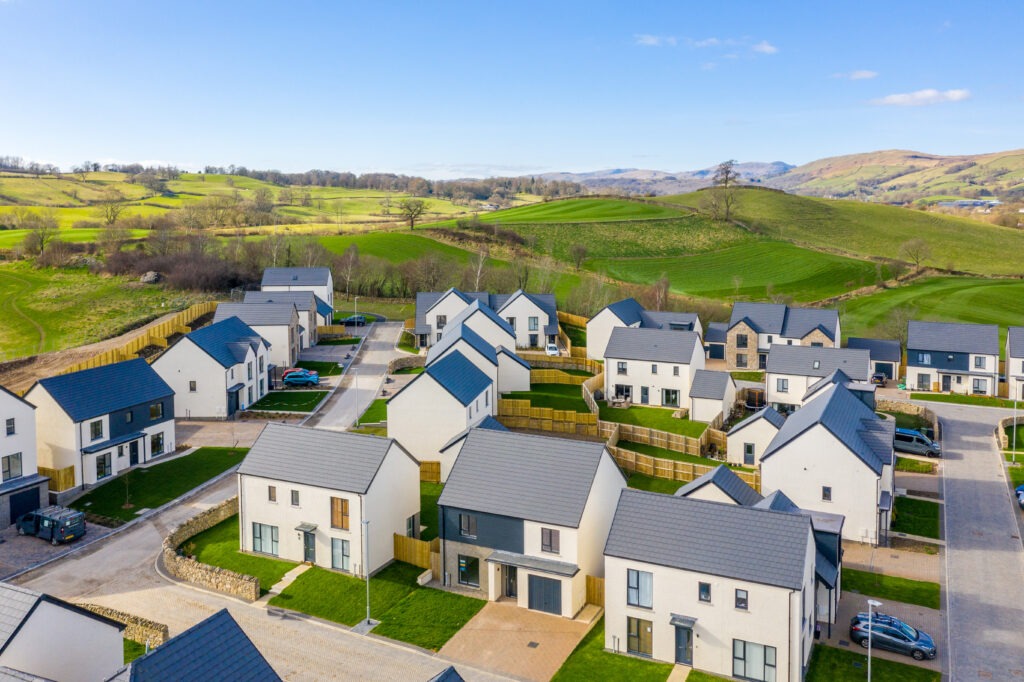
Finding the right home is about much more than choosing the perfect house. The neighborhood surrounding a property plays an equally important role in determining its long term value and overall appeal. Buyers today carefully evaluate communities based on convenience, safety, amenities, and future growth potential before making one of the biggest financial decisions of their lives. Understanding what makes certain neighborhoods stand out can help both homebuyers and property investors make smarter choices.
Accessibility and Transportation
Easy access to transportation is one of the strongest factors influencing buyer interest. Neighborhoods located near major highways, public transit systems, schools, shopping centers, and healthcare facilities often experience higher demand. Shorter commute times improve daily life and increase the desirability of a location.
Many people also appreciate neighborhoods that offer walkable streets, cycling paths, and nearby recreational spaces. These features contribute to a healthier lifestyle while making everyday errands more convenient.
Strong Community Infrastructure
Quality infrastructure significantly enhances the attractiveness of a neighborhood. Well maintained roads, reliable utilities, clean public spaces, and modern community facilities create a positive impression for prospective buyers.
Just as people rely on digital platforms such as pmmvy login to conveniently access government services, homebuyers increasingly value neighborhoods that provide efficient public services and well organized civic planning. A community that functions smoothly often translates into greater resident satisfaction.
Excellent Schools and Educational Opportunities
Families frequently prioritize access to reputable schools when searching for a home. Good educational institutions not only benefit children but also help maintain strong property values over time.
Neighborhoods located near colleges, libraries, learning centers, and extracurricular facilities often attract long term residents. This consistent demand creates a stable housing market that appeals to investors as well as homeowners.
Green Spaces and Recreational Amenities
Parks, playgrounds, sports facilities, and walking trails have become essential features in many desirable neighborhoods. These amenities encourage outdoor activities, improve physical well being, and foster stronger community connections.
Green spaces also contribute to cleaner air and a more visually appealing environment. Buyers are often willing to pay a premium for neighborhoods that offer beautiful landscapes and abundant recreational opportunities.
Technology and Smart Urban Planning
Modern homebuyers appreciate communities that embrace technology and smart planning. Efficient land management, organized development, and digital accessibility help create neighborhoods that continue to evolve with changing needs.
For example, online land information systems such as webgis 2.0 mp bhulekh gov in demonstrate how technology is simplifying access to property related information. Similar innovations support transparency and make real estate transactions more efficient.
Local Economy and Employment Opportunities
A strong local economy attracts businesses, creates jobs, and supports long term property appreciation. Buyers often consider the availability of employment opportunities within reasonable commuting distance before purchasing a home.
Growing commercial districts, business parks, and entrepreneurial ecosystems can transform an ordinary neighborhood into a highly sought after destination. Resources that support entrepreneurship, including information available through udyamiyojana.org, reflect the broader importance of economic development in strengthening communities.
Safety and Long Term Stability
Safety remains one of the highest priorities for nearly every homebuyer. Neighborhoods with lower crime rates, active community involvement, and effective public services generally attract greater demand.
Long term stability also depends on consistent property maintenance, responsible development, and community participation. Buyers often look for areas where residents take pride in maintaining their homes and shared spaces, creating a welcoming atmosphere for newcomers.
Access to Public Services
Convenient access to healthcare centers, government offices, banks, and essential services adds considerable value to a neighborhood. Residents appreciate communities where important services are easily available without lengthy travel.
Similarly, digital services such as mahabocw scholarship status check illustrate how online accessibility has become an important part of everyday life. Communities that embrace both physical and digital convenience are increasingly attractive to today’s buyers.
Conclusion
A desirable neighborhood combines excellent infrastructure, strong schools, economic opportunities, safety, recreational amenities, and convenient access to essential services. While individual preferences vary, these factors consistently influence purchasing decisions and long term property values. Homebuyers who evaluate both the home and the surrounding community are more likely to make an investment that delivers lasting comfort, financial security, and an improved quality of life.