
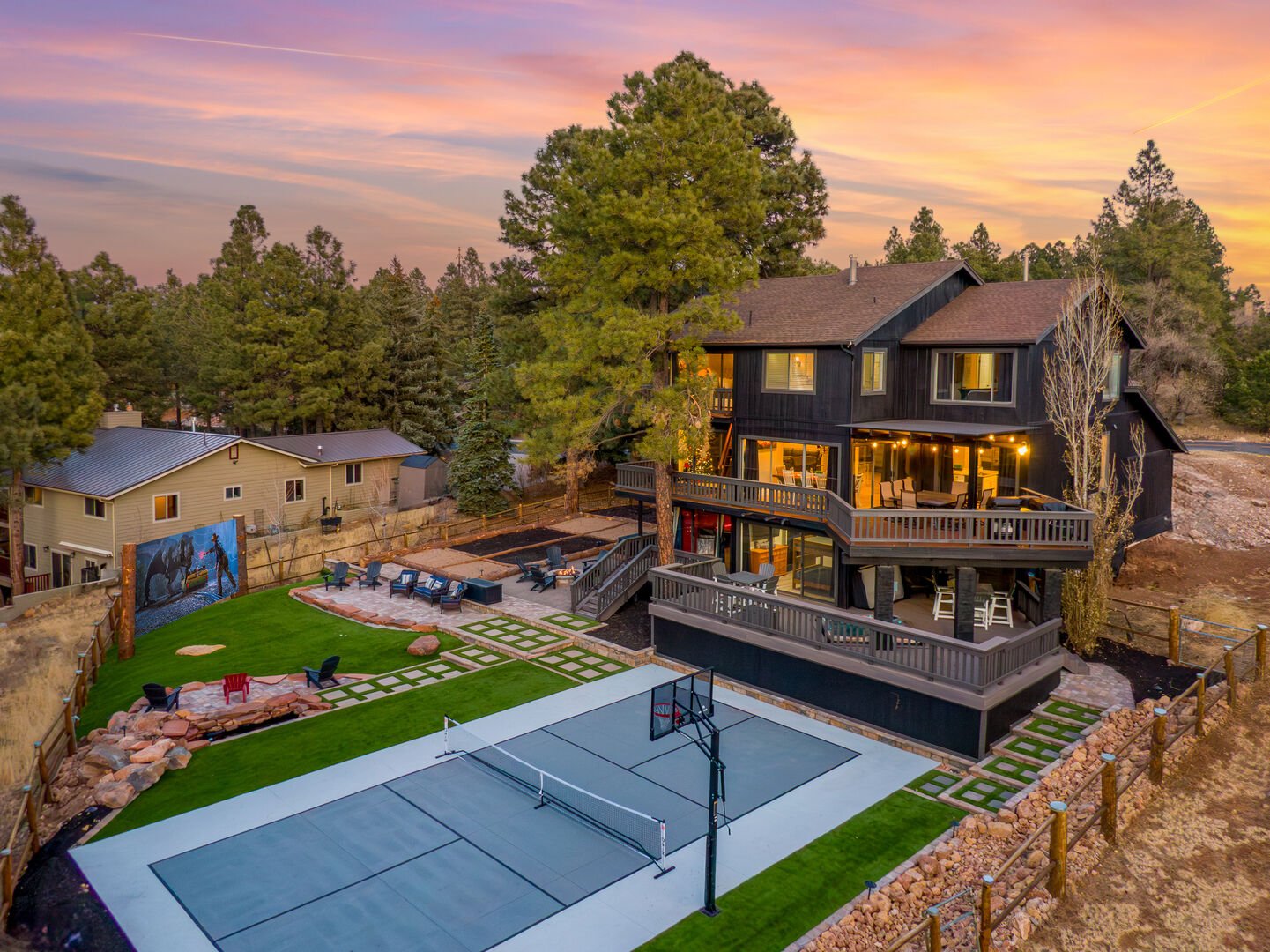
Summer in the Valley now changes how people shop for homes. Phoenix buyers are looking at Flagstaff less like a weekend escape and more like a practical answer to heat, space, and quality of life. That shift gives Flagstaff real estate a different kind of pressure: not a boom built only on hype, but a steady pull from people who know Arizona well and want a cooler daily rhythm without leaving the state. For owners, renters, and small investors watching regional property market insights, the question is not whether Flagstaff has demand. It does. The harder question is whether that demand can fit inside a small mountain market with limited land, higher costs, winter weather, student renters, tourism, and locals who already feel squeezed. Phoenix’s official temperature readings come from Sky Harbor, where long-term tracking also reflects the Valley’s growing heat island problem, and that matters because housing decisions often start with daily discomfort before they become financial plans.
Why Phoenix Buyers Treat Cool Air Like a Housing Feature
Heat used to feel like the price of living near jobs, airports, shopping, and year-round desert sun. Now it feels like a recurring household cost. People budget for air conditioning, window shades, pool care, higher power bills, and summer routines built around staying indoors. A house that sits two hours north, near pine trees and cooler nights, begins to look less like a luxury and more like relief with a roof.
The appeal also has a mood to it. Flagstaff gives Arizona residents a version of home that still feels familiar, but not baked flat by August. You can keep the state license plate, keep family visits manageable, and still wake up near ponderosa shade. That mix is why the demand has more depth than a normal resort-town flirtation.
Heat fatigue is changing the home search
A buyer from north Phoenix may not begin with spreadsheets. More often, the first thought arrives in July, after the car has baked in a parking lot and the dog cannot walk on the sidewalk. That person may still love Arizona. They may have family, a business, doctors, and roots in Maricopa County. Flagstaff offers a way to stay connected without accepting the same summer pace.
The non-obvious part is that many of these buyers are not running away from Phoenix. They are trying to split the year better. A small condo near downtown Flagstaff, a cabin in Kachina Village, or a townhouse near the university can serve as a pressure valve. For some families, that second address becomes the test run before a full move.
This creates demand that behaves differently from a normal relocation wave. It does not vanish when Phoenix listings improve or mortgage rates frustrate buyers. The motive comes from climate comfort, not only price. That is why mountain town housing can stay competitive even when the desert market cools.
A current heat alert near the Grand Canyon, issued through the Flagstaff weather office and reported in June 2026, shows how northern Arizona still carries heat risk at lower elevations, yet Flagstaff’s high-country setting remains a different living experience from the Valley floor. Buyers feel that difference before they name it. A mild evening walk can do more persuasion than a listing brochure.
Flagstaff competes with time, not only price
The drive matters. Flagstaff sits far enough from Phoenix to feel like another climate zone, yet close enough for a long weekend or hybrid work pattern. That puts it in a rare lane. Sedona has tourism pressure. Payson and Pine offer Rim Country charm. Prescott has retirement appeal. Flagstaff carries a college-town pulse, hospital access, ski traffic, Route 66 history, and a working downtown.
A Phoenix household may compare a Flagstaff payment with an upgraded Scottsdale house, then pause. The Flagstaff place may be smaller. It may need snow tires, roof work, and patience during tourist weekends. Still, the family gets mornings that feel usable in July. That counts.
The catch is simple. When weather becomes a feature, buyers accept tradeoffs they would reject elsewhere. They may pay more per square foot for less house because the location changes the way a summer day feels. That is not standard affordability math, but it is real math inside a hot state.
Time also shapes the way people use a property. A place that sits too far from groceries, medical care, or the interstate may feel magical once and tiring after that. A less photogenic home near daily needs may become the one people keep using. Convenience can beat charm when a family plans to visit twenty times a year.
Flagstaff Real Estate Demand Runs Into a Small-Market Wall
Flagstaff is not Phoenix with pine trees. It cannot expand across open desert in every direction. National forest land, terrain, infrastructure limits, and a strong local identity keep the market tight. The city’s population is modest compared with metro Phoenix, and the U.S. Census QuickFacts page for Flagstaff helps show why a limited housing base can feel crowded when outside demand rises.
That wall gives the market its edge. Buyers may arrive with cash, equity, and urgency, but they still face a place where the right home may not appear on command. Sellers know this. Local buyers know it too, often with more frustration than excitement.
Limited supply makes each buyer feel larger
In a huge metro, one more buyer barely moves the room. In Flagstaff, a few extra motivated offers can change a seller’s week. Homes near downtown, Northern Arizona University, Fort Valley Road, and forest-edge neighborhoods can draw several kinds of demand at once. A local family may bid against a remote worker, a parent buying for a student, a retiree, and a Valley household seeking an Arizona heat escape.
That mix can frustrate full-time residents. A nurse, teacher, firefighter, or restaurant manager may earn local wages while competing against buyers who bring Phoenix equity or outside salaries. This is where resentment grows. People do not dislike newcomers because they want cool weather. They worry that the town’s workers will get pushed farther out.
The counterintuitive point is that high demand does not always mean a healthy market. A market can be popular and strained at the same time. When the buyer pool gets richer faster than the local wage base, the town gains sale prices but loses breathing room.
Recent retirement coverage has also framed Flagstaff as appealing but costly, with tight housing tied to land limits, tourism, students, and second-home demand. That is not a side issue. It is the central tension behind the market.
Small homes can carry large expectations
A modest Flagstaff house often has to do too much. It may need to function as a family home, short-term rental, student rental, vacation base, and retirement plan, depending on who sees it. That is a lot of pressure for one property type. A ranch home that would seem ordinary in Glendale can become a rare find when it has a garage, trees, and a quick line into downtown Flagstaff.
Investors need to understand that demand does not erase friction. Snow removal, older roofs, wildfire exposure, insurance questions, and seasonal traffic all affect ownership. A buyer who has never dealt with ice dams or steep driveways can misread the cost of mountain upkeep.
This is why Flagstaff real estate rewards careful local homework. You cannot judge a house only by photos of pine trees and a cooler forecast. You have to ask how the road handles winter, how the neighborhood feels during NAU move-in, how close the property sits to forest risk, and whether the layout works beyond vacation mood.
For readers comparing market patterns across Arizona, an Arizona housing market guide can help separate lifestyle demand from rental demand. Those two forces may overlap in Flagstaff, but they do not always point to the same property. A home that works for family use may fail as a rental, and a rental-friendly layout may feel plain for personal escapes.
The Buyer Profile Is Wider Than Vacation-Home Shoppers
The old story says wealthy desert residents buy mountain cabins, visit in summer, and leave them dark in winter. That still happens, but it is no longer the whole story. Remote work, aging parents, university ties, medical needs, and climate stress have widened the pool. Some buyers want a second home. Others want a staged move. Some want rental income first and personal use later.
This wider buyer pool makes pricing harder to read. A local appraiser may see one kind of value, while a family escaping heat sees another. A remote worker may pay for silence. A parent may pay for safety near campus. A retiree may pay for single-level living. Same street, different reasons.
Remote workers want a normal weekday
For a remote worker in Phoenix, Flagstaff can feel less like a getaway and more like a work upgrade. The person still needs internet, a quiet room, grocery access, and a school plan. They are not only shopping for views. They are shopping for Tuesday.
That changes which homes rise to the top. A cabin with charm but poor workspace may lose to a simple townhome with a better floor plan. A house near trails may beat a larger property farther out because the buyer wants a lunch walk under trees. The market is not only about square footage. Daily use carries more weight.
Here is the surprise: the less dramatic home may be the smarter buy. A practical place near services can outperform a postcard property if the owner plans to spend long stretches there. Romance sells the first showing. Function keeps the owner happy after the third snowstorm.
Remote work also changes risk. If the job changes, the house still remains. Buyers should ask whether the property makes sense if they have to commute more, rent it part time, or sell during a slower season. A flexible purchase has more exits than a dream cabin bought for one perfect life plan.
Parents, students, and retirees overlap in odd ways
Northern Arizona University adds another layer. Parents sometimes buy units for students, then hold them as rentals. Retirees look for single-level homes and medical access. Young families hunt for school fit and outdoor life. These groups do not seem similar, yet they can want the same two-bedroom condo or smaller house near town.
That overlap tightens the middle of the market. The most contested homes are not always the largest or flashiest. They are the ones that reduce daily hassle. Parking, storage, winter access, and a short drive to groceries may matter more than a high-end finish.
Rim Country communities such as Pine, Strawberry, and Payson have drawn Phoenix-area residents seeking cooler vacation homes, partly because they can price below Flagstaff and Prescott, but those areas carry their own wildfire, water, and insurance issues. That comparison keeps Flagstaff in a premium lane, even when buyers explore cheaper alternatives.
A parent buying near campus may care about rent stability. A retiree may care about stairs. A family may care about schools and a yard. The shared demand makes the entry and middle tiers feel tighter than the luxury tier at times. That is where the town’s real pressure often lives.
What Buyers and Investors Should Watch Before They Commit
A cooler climate can make people move too fast. That is dangerous in a market where the best-looking property may come with hidden upkeep, strict rental rules, or a price that leaves no room for repairs. The smartest buyer slows down long enough to separate lifestyle value from investment value. They can support each other, but they are not the same thing.
This is where emotion needs a leash. There is nothing wrong with wanting relief from desert heat. The mistake is treating relief as proof that any price makes sense. Good decisions in mountain town housing come from matching use, costs, and exit options before the offer goes in.
The numbers must survive the off-season
If you plan to rent the home, do not build the whole plan around peak summer demand. Flagstaff has winter tourism, university activity, and year-round appeal, yet cash flow still needs conservative math. Cleaning costs, snow care, repairs, platform fees, insurance, vacancy, and city rules can eat the margin before a new owner notices.
A simple test helps. Price the property as if it sits empty more often than expected. Then add a repair reserve that feels a bit painful. If the deal still works, you may have room. If it only works when every weekend books at a strong rate, you are buying a hope, not an asset.
The same thinking applies to a personal second home. A family may save on summer hotel stays and gain comfort, but they also take on taxes, maintenance, utilities, and travel time. A second home should improve life without making the main household fragile.
Use a short-term rental investment checklist before falling in love with projected income. Ask for real expense records, not only nightly rates. Look at shoulder seasons. Check whether nearby supply has grown. A pretty calendar from last July does not pay February bills.
Local fit matters as much as appreciation
Flagstaff is not a blank canvas for outside money. It is a lived-in city with workers, students, tribal neighbors, artists, scientists, service staff, and long-time families. Buyers who treat it only as an escape can miss the mood of the place. That mistake shows up in neighborhood conflict, rental complaints, and poor ownership choices.
A better approach starts with fit. Spend time in the neighborhood at night. Visit during snow. Walk it on a busy weekend. Ask how trash, parking, and short-term rentals work on that street. Read local housing discussions before assuming a property will function like a desert subdivision.
Phoenix’s housing market has also shifted toward more buyer choice in recent reporting, which can make some Valley owners slower to sell or more selective about taking on a second payment. That may cool the most impulsive purchases, but it does not remove the deeper desire for an Arizona heat escape.
The best owners act like future neighbors before they act like investors. They learn the street, respect the weather, price repairs honestly, and avoid treating local workers as background characters. In a small city, reputation travels faster than a closing date.
Conclusion
Flagstaff’s pull is easy to understand once you stop looking at the market as a vacation story. Heat changes habits. It changes budgets, moods, pet routines, workdays, and retirement plans. A cooler mountain address can feel like freedom for someone who still wants to remain tied to Arizona.
Yet desire alone should not drive the purchase. Phoenix buyers are not entering an empty market. They are stepping into a town where limited land, local wages, student housing needs, tourism, and climate risk already push against each other. The best decisions will come from buyers who respect those limits instead of trying to outspend them.
Flagstaff real estate may keep attracting attention because it solves a problem the desert cannot fully solve with shade and air conditioning. The winners will be patient, locally informed, and honest about costs. Before you chase the cooler air, study the street, the season, and the numbers. Then buy like you plan to belong.
Frequently Asked Questions
Is Flagstaff a good place for buyers leaving Phoenix heat?
Yes, it can be a strong fit for people who want cooler summers while staying close to Arizona family, work, and services. The tradeoff is cost. Homes can be smaller and pricier than expected, so buyers need clear lifestyle and budget goals.
How far is Flagstaff from Phoenix for weekend home use?
The drive usually works for long weekends, hybrid workers, and seasonal stays, though traffic, weather, and holiday travel can change the feel fast. A buyer should test the drive during peak summer and winter conditions before relying on it.
Is Flagstaff cheaper than Phoenix for real estate?
No, not in the way many shoppers expect. Phoenix has more inventory and wider price variety. Flagstaff often costs more for less space because supply is tight, land is limited, and demand comes from locals, students, retirees, and second-home buyers.
What neighborhoods near Flagstaff attract second-home interest?
Downtown-adjacent areas, forest-edge neighborhoods, Kachina Village, Mountainaire, and areas near trails often draw attention. Each area has different road, snow, rental, and insurance concerns, so neighborhood research matters as much as the home itself.
Can a Flagstaff home work as a short-term rental?
It can, but the numbers need caution. Owners should review city rules, HOA limits, cleaning costs, winter access, insurance, taxes, and seasonal vacancy. A property that looks profitable during summer may perform differently across a full year.
Why is Flagstaff housing supply so limited?
The city sits near national forest land, mountain terrain, and infrastructure limits. Growth also faces local concerns about traffic, water, character, and affordability. Those limits protect part of Flagstaff’s appeal, but they also keep pressure on housing.
Are Phoenix retirees moving to Flagstaff?
Some retirees consider it because of cooler weather, outdoor access, and a lively downtown. The harder parts are winter snow, higher housing costs, and possible travel to Phoenix for certain medical needs. A trial stay helps before a permanent move.
What should investors check before buying in Flagstaff?
Focus on conservative rent estimates, insurance, wildfire exposure, snow maintenance, HOA rules, repair reserves, and local sentiment toward rentals. Appreciation may look appealing, but weak cash flow can turn a scenic property into a stressful one.