
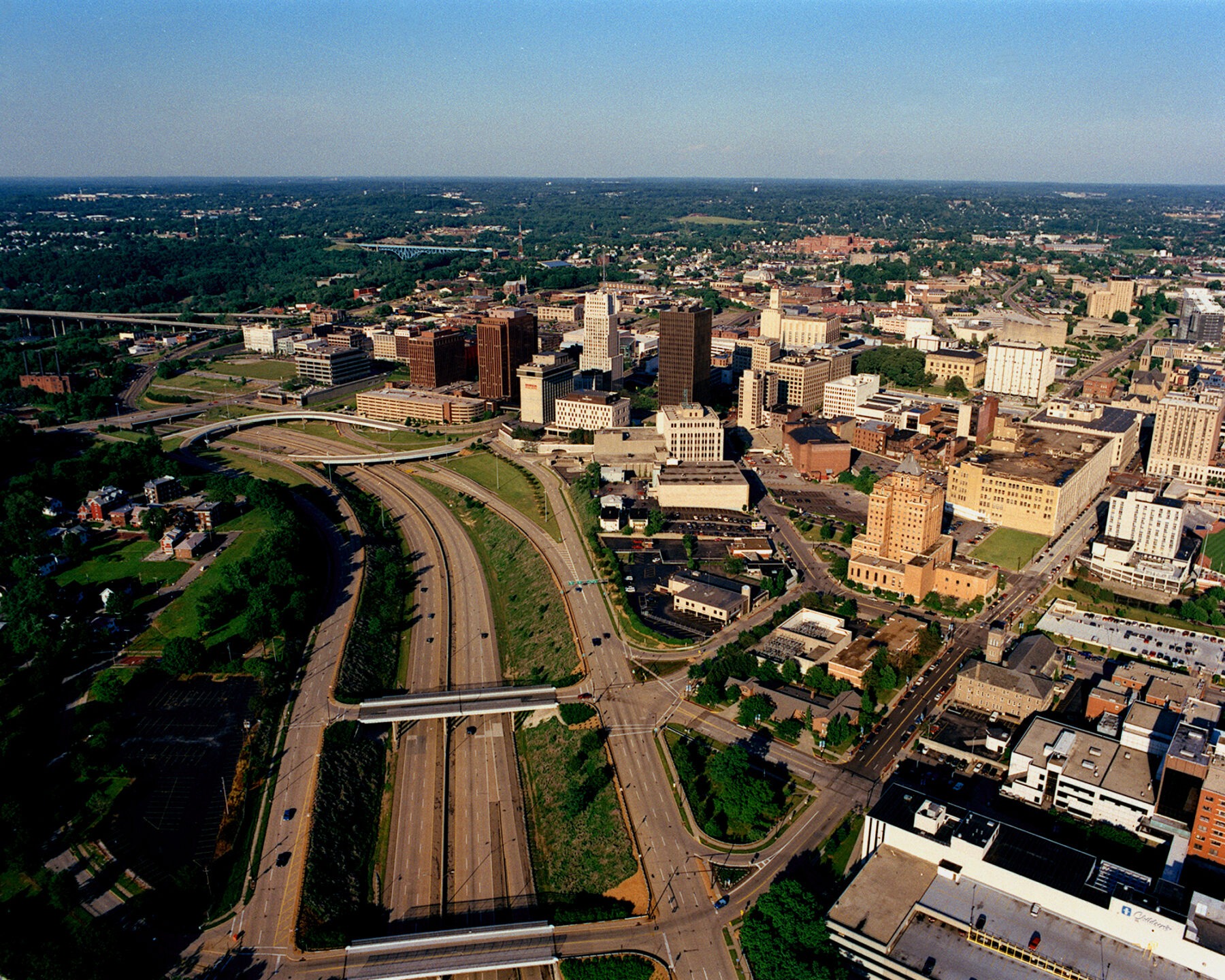
Akron does not need to pretend it is the next Austin to make sense for careful buyers. Its story is sharper than that. The city has old industrial bones, lower entry prices, tight neighborhood identities, and public plans aimed at stitching damaged corridors back together. For buyers watching investment hotspots, Akron offers the kind of market where the upside is not hidden in hype. It is hidden in block-by-block change, patient repairs, and small signs that locals notice before outsiders do. Readers who follow local property market signals already know that the best opportunities often appear where civic work and private repair meet. Akron real estate fits that pattern. The Census Bureau lists Akron’s median owner-occupied home value at $122,000 for 2020–2024, with median gross rent at $955, which shows why small investors still study the city closely. The catch is simple: not every cheap house is a deal. The neighborhoods gaining strength are the ones where access, pride, rental housing demand, and neighborhood redevelopment are moving in the same direction.
Why Akron’s Old Corridors Are Becoming Investment Hotspots
Akron’s post industrial identity is not a weakness by itself. It becomes a weakness only when buyers treat the city like a bargain bin. The smarter read is to look at corridors where old factories, vacant storefronts, public spaces, and older homes are being pulled back into daily use. That is where Akron real estate starts to tell a more serious story.
The rubber-city past still shapes buyer behavior
Akron’s industrial past left behind more than old buildings. It left street grids, worker neighborhoods, small commercial strips, and houses built close to jobs. Some of those assets sat underused for years. Others stayed alive because families, churches, local shops, and landlords kept the basic neighborhood rhythm going.
That matters for investors because a post industrial neighborhood does not have to be polished to be investable. It has to be usable. A duplex near a bus route, a small house near a hospital job cluster, or a storefront beside a steady residential pocket can have more staying power than a prettier property with no daily purpose.
The non-obvious point is that Akron’s older layout can work in a buyer’s favor. Many Sun Belt suburbs were built around driving long distances. Akron’s older neighborhoods often put homes, corner stores, schools, and main roads closer together. When a block is repaired well, that compact pattern can help rental housing demand faster than a scattered subdivision can.
Public repair changes private math
City planning does not guarantee profit. Anyone who tells you that is selling noise. Still, public repair can change the math around private property. Akron’s work around neighborhood business districts is a good example. Brookings reported that Akron’s Great Streets work targeted 12 neighborhood business districts and included more than $2 million in façade grants, along with safety, streetscape, and small business support.
That kind of work does not turn every building into a winner. It does something quieter. It makes the street feel less abandoned. A cleaned-up storefront, better lighting, resurfaced pavement, and a few open businesses can make a renter feel that a neighborhood is being cared for.
For investors, that shifts the question. You are not only asking, “Can I buy below market?” You are asking, “Is this area receiving the kind of attention that helps a good tenant stay?” That is where neighborhood redevelopment matters most. It lowers the sense of risk for people who live there, not only for people buying there.
Reading Akron Neighborhoods Like a Local Investor
The next layer is judgment. Akron has neighborhoods that look close on a map but behave in different ways. A five-minute drive can change the tenant base, repair cost, school preference, parking needs, and resale path. This is where out-of-town buyers often get humbled.
Downtown edges need a different lens
Downtown Akron is not only a business district. It is a pressure point between old office space, civic buildings, arts venues, medical access, student life, and nearby residential streets. The Downtown Akron Vision + Redevelopment Plan Update says the city’s 2018 plan was recalibrated around completed projects, current efforts, market opportunities, and new catalytic projects.
That sounds broad, but the investor lesson is simple. Downtown edges can change before the center feels fully finished. Buyers who wait for every restaurant, park, and sidewalk to feel complete may arrive late. Buyers who move too early without understanding parking, safety, and tenant fit may spend years carrying a property that never quite works.
A small apartment near downtown may attract a hospital worker, a student, a service worker, or someone who wants shorter commutes. But the unit has to match the life of that renter. Clean laundry access, safe entry lighting, working heat, and predictable parking may matter more than stylish finishes. Fancy tile will not fix a bad front door.
The strongest blocks are often not the loudest ones
Akron’s best small-investor blocks may not be the ones that get the most attention online. A loud neighborhood name can bring too many bidders. A quiet street beside a improving corridor may offer better numbers and less drama.
Look for small signs. Are porches cared for? Are trash bins handled? Are roofs failing across the whole block, or only on a few properties? Is there a school, clinic, grocery option, park, or bus line that gives residents a reason to stay? These details are not glamorous. They shape rent collection.
This is where rental property due diligence should go deeper than sale price. Walk the block in the morning and near dusk. Talk to a local property manager who handles calls after midnight. Check whether nearby properties are owned by residents, small landlords, or absentee owners who ignore repairs.
The counterintuitive part is that a block with a few rough houses can be better than a block that already looks perfect. If the bones are sound and local ownership is present, light disorder may leave room for value. A perfect-looking street may already have tomorrow’s price baked in.
Housing Demand Is Being Built One Practical Choice at a Time
Akron’s rental story is not only about people priced out of larger cities. It is also about local workers, students, older residents, young families, and people who need solid housing near daily routes. When income is limited, the property that wins is not always the prettiest. It is the one that works.
Affordability keeps the market active
The Census Bureau reports Akron’s owner-occupied rate at 50.7% for 2020–2024, which means the city has a large renter base compared with many suburban markets. It also reports a median selected monthly owner cost of $1,141 for owners with a mortgage, a figure that helps explain why smaller buyers still compare owning and renting closely.
This creates a practical rental market. Tenants are not all chasing luxury. Many want a clean two-bedroom, a safe street, fast maintenance, and a landlord who answers. Investors who understand that can beat owners who spend money on the wrong upgrades.
Akron real estate rewards restraint. A $20,000 cosmetic renovation may not earn much more rent if the basement is damp, the furnace is old, and the windows leak air. In an affordability-driven city, the best upgrade is often the one tenants feel every week: heat that works, locks that feel secure, dry storage, and a kitchen that can handle family meals.
Tenant demand follows work, school, care, and routine
Rental housing demand in Akron ties closely to routine. People choose homes around commutes, school drop-offs, medical appointments, grocery runs, and family support. The city’s mean travel time to work is listed at 22.2 minutes for 2020–2024, which tells you Akron still functions as a short-commute city for many residents.
That short commute can be a quiet advantage. A renter may choose an older unit if it keeps the drive manageable and the rent fair. A nurse, mechanic, teacher, warehouse worker, or food service employee may not care whether a neighborhood sounds trendy. They care whether the home makes the week easier.
This is why investors should map life patterns, not only prices. A property near a hospital route, a school corridor, or a practical shopping strip can outperform a cheaper house with no clear renter story. The rent is paid by a person with a routine. Ignore the routine, and the spreadsheet starts lying.
Where Neighborhood Redevelopment Can Create Durable Value
Revival is not the same as speculation. Speculation chases a headline. Durable value comes from a place becoming easier to live in. Akron’s strongest opportunities sit where public plans, resident memory, repair work, and private capital are beginning to overlap.
The Innerbelt shows how repair can unlock land
The Innerbelt is one of Akron’s most serious redevelopment stories because it deals with harm, land, access, and memory at the same time. Akron’s Innerbelt site describes the master plan as the next step in shaping the future of the decommissioned Innerbelt. Signal Akron reported in March 2026 that the plan aims to repair harm caused by the highway, while calling for more housing, new road connections, and improvements that connect the area to downtown.
This matters because highway scars can freeze nearby property for decades. Streets stop connecting. Pedestrians avoid the area. Land becomes awkward, leftover, and hard to read. When a city starts planning new connections, that leftover land can gain a clearer role.
The non-obvious insight is that the biggest opportunity may sit at the edges, not the center. Signal Akron reported that city officials discussed starting around the neighborhoods surrounding the Innerbelt rather than only focusing on the roadway itself. For an investor, that means nearby transitional blocks may show movement before the full project is done.
Small landlords can help or hurt the comeback
Neighborhood redevelopment depends on who owns the homes. A careful local landlord can stabilize a block. An absentee owner can drain it. The difference shows up in grass height, repair speed, tenant screening, porch lights, and whether neighbors know whom to call.
Akron does not need investors who only extract rent. It needs buyers who repair housing, respect existing residents, and hold properties long enough for a block to improve. That does not mean charity. It means better risk control. Tenants stay longer when homes are safe, clean, and fairly managed.
This is also where neighborhood investment strategy should include exit planning. A buyer should know whether the property works as a long-term rental, a future resale, a house hack, or a small portfolio hold. When the only plan is “prices will rise,” the deal is weak.
The best investors in Akron will act more like operators than gamblers. They will buy fewer houses, inspect them harder, fix them better, and choose blocks where the surrounding story supports the property. That slower path is not flashy. It is how many post industrial markets heal.
Conclusion
Akron’s next chapter will not be written by one downtown tower, one park project, or one master plan. It will be written by smaller decisions repeated across older streets: a repaired porch, a reopened storefront, a safer crossing, a tenant who renews, and a landlord who keeps the heat working in February. That is why Akron deserves a careful look from buyers who understand patient markets. The better read on investment hotspots is not where prices are lowest today, but where daily life is getting easier tomorrow. Akron real estate still carries risk, especially in blocks with heavy vacancy or weak ownership patterns. Yet risk is not the same as disorder. When neighborhood redevelopment lines up with rental housing demand, old industrial cities can surprise people who only search for shine. Study the block, respect the residents, and buy where repair has a reason to last.
Frequently Asked Questions
Is Akron Ohio a good place for real estate investors?
Yes, for buyers who study neighborhoods closely and avoid chasing cheap homes blindly. Akron offers lower entry prices, an active renter base, and several public repair efforts. The best deals usually need patient ownership, strong inspections, and a clear tenant plan.
What neighborhoods in Akron are improving for property buyers?
Areas near downtown edges, Innerbelt-adjacent blocks, older business corridors, and stable residential pockets are worth studying. The right choice depends on street condition, ownership patterns, rent demand, and repair costs. A known neighborhood name is less useful than block-level research.
Why are post industrial cities attractive to small investors?
They often have older housing, lower purchase prices, established street grids, and room for repair-based value. The downside is uneven block quality. Investors need to separate solid housing near useful corridors from properties that are cheap because the repair burden is too high.
How much rent can landlords expect in Akron Ohio?
Rent depends on bedrooms, condition, location, parking, and tenant profile. Citywide figures can guide expectations, but they do not replace local comps. A clean, well-managed unit near daily services may outperform a larger house on a weaker block.
Is downtown Akron a smart area to watch?
Yes, but it needs careful reading. Downtown and nearby edges may benefit from redevelopment plans, public spaces, jobs, and housing demand. Still, buyers should check parking, safety, tenant type, and building condition before assuming every downtown property will rise.
What should investors check before buying an older Akron home?
Start with roof age, foundation, sewer line, electrical system, furnace, water damage, and code issues. Then study the block. A cheap house with major hidden repairs can erase profit fast, even if the neighborhood looks promising on paper.
Can neighborhood redevelopment raise property values in Akron?
It can, but not automatically. Public plans, better streets, business support, and new housing can help nearby blocks. Value grows when those changes improve daily life for residents. Investors should avoid assuming that every planned project will lift every property.
What is the safest strategy for first-time Akron landlords?
Buy one manageable property in a block with signs of care, not the cheapest house available. Keep reserves for repairs, screen tenants fairly, and respond fast to maintenance. A steady, clean rental often beats a risky bargain with constant problems.